
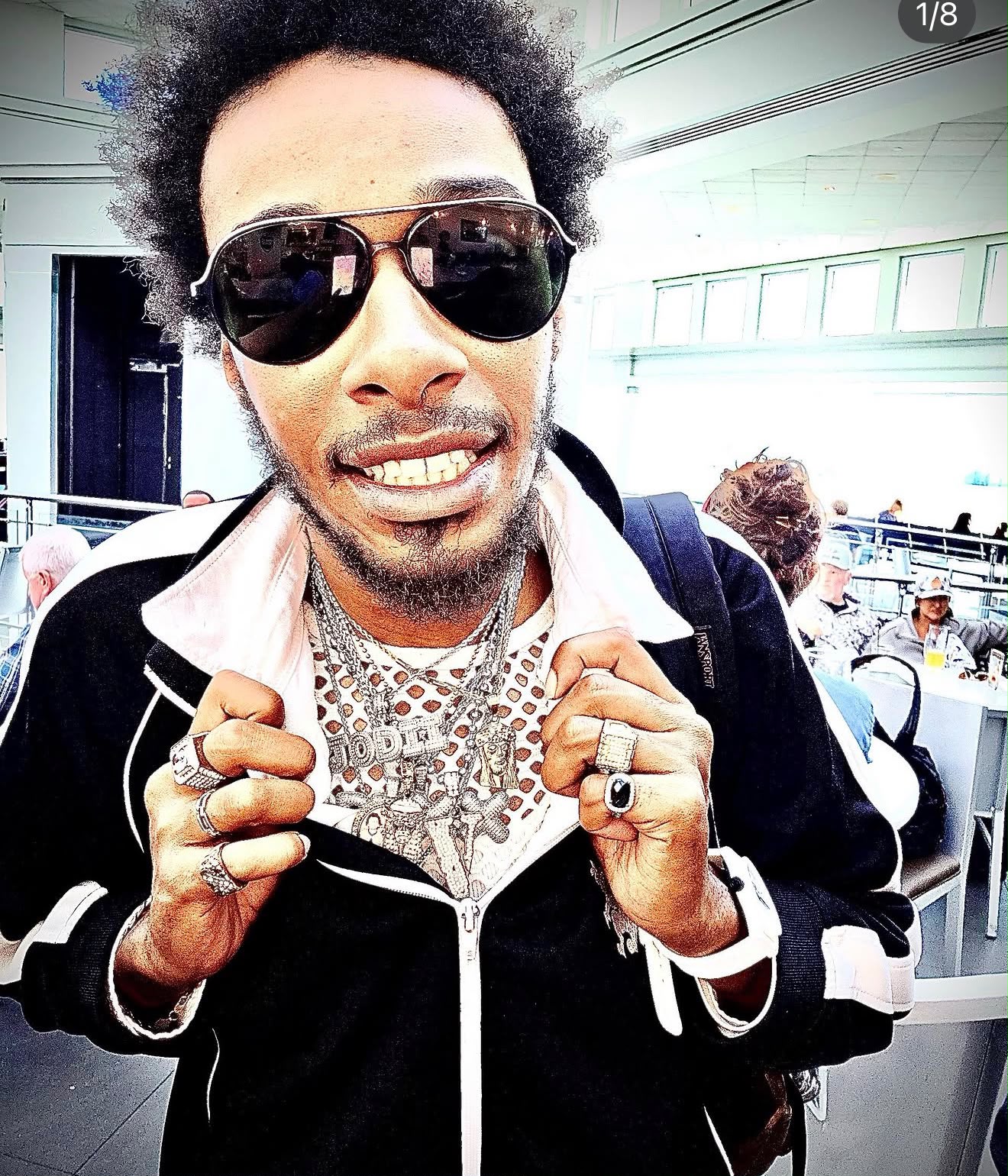
This Is Jodii Bixx.
Bixx has developed a reputation for approaching record labels, distributors and music companies with the confidence of an artist who believes he is already a superstar—even when the numbers, the music and the market response tell a very different story.
His opening move is usually predictable.
A direct message arrives.
“I'm one of the best rappers in the game.”
Then comes the pitch.
And then comes the demand.
He rarely approaches companies simply looking for an opportunity to develop his career. Instead, he approaches them expecting an advance, preferential treatment or some kind of immediate financial commitment.
The problem?
The music doesn't necessarily justify the demand.
The Advance Before the Opportunity
There is nothing unusual about an artist asking a label for an advance. Advances are part of the music business.
But experienced executives understand that an advance is generally tied to commercial potential, investment strategy, contractual commitments and the company's confidence that the artist can generate enough revenue to justify the investment.
Jodii Bixx, however, appears to operate under a different philosophy.
In his fictional world, confidence isn't something you demonstrate through results.
It's something you announce.
He tells executives he's exceptional. He tells them he's destined for the top. He tells them they would be making a mistake by passing on him.
And when the answer is “No, thank you,” the conversation changes dramatically.
The music industry is built on rejection.
Artists are rejected by labels.
Songs are rejected by radio stations.
Albums are rejected by distributors.
Managers decline clients.
Producers pass on records.
Executives say no hundreds of times a year.
A professional understands that rejection is part of the business.
But Jodii Bixx doesn't appear to accept rejection particularly well.
When a company respectfully declines his proposal, the response allegedly isn't, “Thanks for considering me.”
Instead, the company suddenly becomes the problem. He starts insulting them. Multiple distribution companies have all talked about him extorting them
The executives are supposedly corrupt.
The distributor supposedly doesn't know what it's doing.
The label supposedly has no taste.
The people who declined the deal suddenly become targets of public criticism.
It creates an interesting pattern:
Praise when he wants something.
Hostility when he doesn't get it.